Survivors ordered to die a second time
When some men lived through the charge, their survival contradicted the official report. Staff officers ordered the survivors into a second, final charge so that reality would match the announcement.
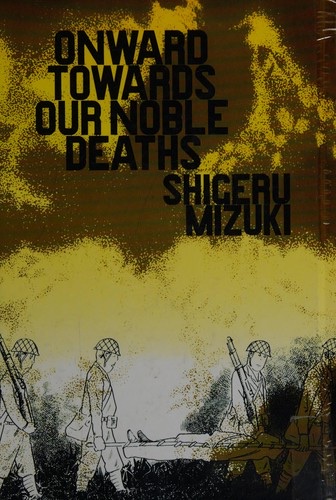
4 ideas
When some men lived through the charge, their survival contradicted the official report. Staff officers ordered the survivors into a second, final charge so that reality would match the announcement.
Once a military culture defines death as the only honourable outcome, a living soldier stops being an asset and becomes an embarrassment to be erased. Commanders then value a man's life less than the consistency of the narrative they have already told upward. The order to die is no longer a tactical decision. It is an administrative correction.
Mizuki draws soldiers as cartoonish, comic figures set against meticulously realistic jungle backgrounds. He shows many of them dying pointlessly, from a fish bone in the throat, from a crocodile, or from disease, before any enemy appears. Placing the ridiculous next to the lethal in the same panel strips war of its official grandeur and shows how arbitrary death actually is.
In the unit, each rank humiliates and beats the rank below it with routine slapping and petty punishments. The lowest privates absorb the accumulated brutality of the whole hierarchy. That abuse conditions them to accept even an order to die, while officers higher up are better placed to escape the fate they impose.