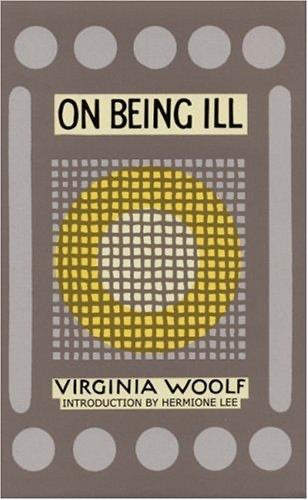
Cover of On Being Ill

On Being Ill

Virginia Woolf

6 ideas

  1. Literature ignores the body's daily drama

    Literature has concerned itself with the mind and treated the body as a transparent sheet of glass through which the soul looks, ignoring that the body's heat, cold, and pain shape thought all day. This neglect explains why illness, despite being as common and transformative as love, has not taken its place beside love, battle, and jealousy as a prime theme.

  2. The poverty of the language of pain

    English can express the thoughts of Hamlet and the tragedy of Lear but has no words for the shiver and the headache. The sufferer must coin new words, taking pain in one hand and a lump of pure sound in the other and crushing them together, because illness demands a new, more primitive language.

  3. Illness as desertion from the upright army

    Healthy people are soldiers marching together in the illusion of shared purpose and cooperation. Lying down, the invalid drops out of the ranks and becomes free to look up and notice things like the sky, which has been performing its vast show unwatched all along. Horizontal perception reveals what vertical, busy life filters out.

  4. Sympathy has limits and solitude is fundamental

    Illness exposes that we cannot fully know one another and that sympathy is rationed, since a world of perfect sympathy would halt all action. In sickness we discover the primeval, pathless forest of the self, where each person walks alone, and this recognition is both frightening and freeing.

  5. Reading by sound rather than sense

    In illness the rational police go off duty, so words are received through the senses before the intellect, and their scent and sound matter more than their meaning. This makes the sick reader more receptive to poetry, obscure lines, and fragments than to long, argued prose, and lets meaning arrive sideways rather than by logic.

  6. Illness dissolves adult seriousness into irreverence

    Sickness strips away the obligation to be responsible and reasonable, returning adults to a childlike state that is vulnerable yet rash and irreverent. From that position the sufferer can drop prescribed reverence for canonical texts and respected figures and judge freely, finding comedy and odd delight where health demanded solemnity.

Save and mark ideas in the app