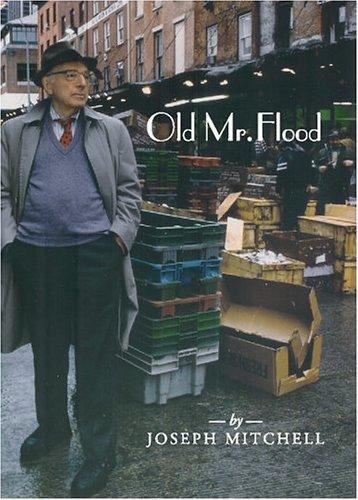
Cover of Old Mr. Flood

Old Mr. Flood

Joseph Mitchell

4 ideas

  1. The composite character as factual portraiture

    The author builds one vivid old man out of several real old men who worked or loitered around the fish market. He keeps their actual speech, habits and facts but merges them into a single figure. The composite trades literal accuracy about one person for a truer, more concentrated picture of a type and a milieu than any single subject could supply.

  2. Seafood diet as a longevity creed

    Flood is ninety-three and means to live to one hundred and fifteen. He credits his plan to eating almost nothing but fish and shellfish, raw oysters and clams above all, with whiskey on the side, and he dismisses meat and vegetables.

  3. One eccentric as a window onto place

    Instead of describing the waterfront directly, the writer follows one talkative old regular through his haunts: the fish stalls, the oyster bars and the cheap waterfront hotel. The market's economy, lore and social ecology come through as that man's opinions and routines. A single idiosyncratic life works as the organizing thread for a whole neighborhood's texture.

  4. Old men's talk preserves vanishing expertise

    Flood's monologues about shellfish, harbor waters, old restaurants and dead market characters are treated as knowledge worth recording, not as rambling. The long, digressive speech of elderly regulars holds working lore and local history that would otherwise vanish with them.

Save and mark ideas in the app