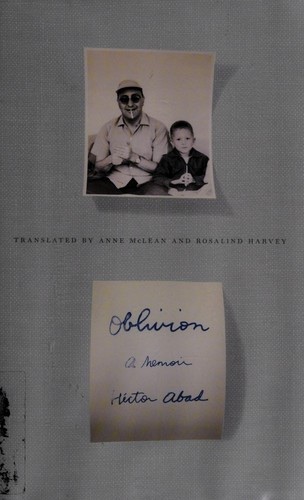
Cover of Oblivion

Oblivion

Héctor Abad Faciolince

4 ideas

  1. Assassination of Medellín's public-health physician

    On 25 August 1987, Héctor Abad Gómez, a Medellín physician, professor and president of Antioquia's Permanent Committee for the Defense of Human Rights, was shot dead by paramilitary gunmen. He was on his way to the wake of Pedro Luis Valencia, a teacher and union leader murdered that same morning, and his name had appeared on a published death list. In his pocket was a handwritten copy of a sonnet attributed to Borges that begins 'Ya somos el olvido que seremos' (We are already the oblivion we shall be).

  2. Sanitation saves more lives than clinical medicine

    Most lives are saved by preventive public health, not by doctors treating individual patients: clean water, sewers, vaccination and nutrition decide population mortality. Abad Gómez applied the same logic to political violence. He treated it as an epidemic with social causes such as poverty and impunity, and argued it should be diagnosed and prevented at the level of society rather than handled case by case.

  3. The moderate becomes the designated enemy

    In a polarized armed conflict, someone who defends everyone's rights and refuses to join a side is read by each side as a disguised member of the other. Abad Gómez was a liberal humanist, not a militant, yet the right branded him a communist. His insistence on documenting abuses made him more dangerous to perpetrators than open partisans were, because impartial testimony removes the justification for violence.

  4. Memoir as postponed oblivion

    Writing about the dead does not defeat forgetting. It only delays it by transferring memory into a form that outlives the living witnesses. The son accepts that everyone, including the book, will end in oblivion, and frames the memoir as a deliberate, temporary act of resistance against both personal forgetting and a political violence that relies on its victims being forgotten.

Save and mark ideas in the app