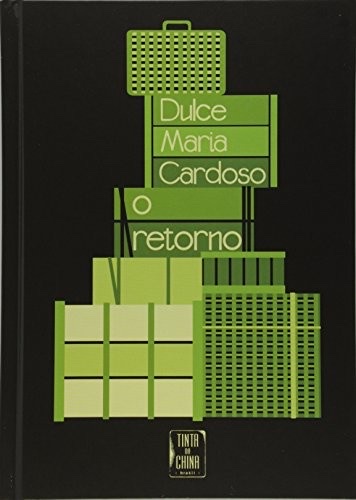
Cover of O Retorno

O Retorno

Dulce Maria Cardoso

4 ideas

  1. Rui's family waits in an Estoril hotel

    In 1975, armed men take fifteen-year-old Rui's father from their Luanda home, and Rui, his mother and his sister Milucha fly to Lisbon without him among the mass airlift of retornados. The state refugee agency lodges them in a requisitioned luxury hotel near Estoril, where Rui spends months waiting for news, hiding his mother's fragile mental state, and working out a pecking order among displaced families.

  2. The misnomer of return for the colony-born

    The label 'retornado' treats everyone who fled the colonies as someone coming home, even children like Rui who were born in Africa and had never seen Portugal. The category erases their actual origin: they cannot go back to the place they are from, and the place they are sent to treats them as outsiders. An administrative name can create a false belonging while also blocking the real one.

  3. The imagined metropole collides with reality

    Colonial settlers kept an idealised picture of the 'metrópole' as a richer, more civilised homeland. When displaced settlers actually arrive, they find a poor, provincial country that resents them as privileged colonialists and as competitors for scarce housing and jobs. The distance between the promised centre and the real one becomes a second exile for people who had built their self-worth on belonging to it.

  4. Displaced people rebuild hierarchy while in limbo

    Even while stripped of property and status, refugees in shared temporary housing quickly rebuild distinctions among themselves: who owned more back there, whose family is intact, who stays on the good floor, who can leave first. Keeping up appearances and contempt for those lower down serve as a defence against total loss of standing. In the narrative, the teenage narrator both takes part in this status-keeping and sees through it.

Save and mark ideas in the app