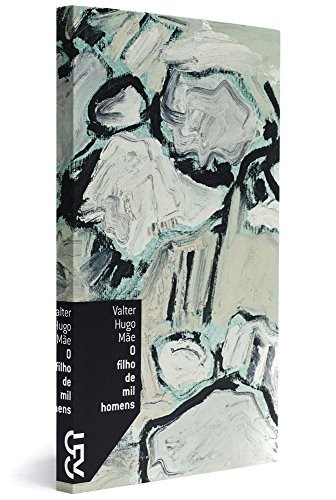
Cover of O Filho de Mil Homens

O Filho de Mil Homens

valter hugo mãe

4 ideas

  1. Fisherman Assembles Family from Village Rejects

    Crisóstomo, a lonely forty-year-old fisherman in a Portuguese coastal village, feels he is only half a person because he has no child. He takes in the orphan boy Camilo, then draws in Isaura, a woman the village treats as spoiled goods, and Antonino, a gay man pushed into marriage by his mother Matilde. Together they form a household with no blood ties that proves steadier and more tender than the families that cast them out.

  2. Every Person Is Son of Thousands

    The title's idea is that no one descends from a single father or lineage. Each person is assembled from everyone who shaped, fed, hurt, or loved them. Parenthood is therefore a role anyone can take up by contributing to a life, not a biological fact that closes the question of who belongs to whom.

  3. Completion Comes from Giving, Not Receiving

    The book casts loneliness as an experience of being incomplete. It argues the missing half is recovered by taking responsibility for someone else, not by waiting to be loved. Crisóstomo does not find a family ready-made. He manufactures belonging by deciding to care, and the decision itself produces the happiness he lacked.

  4. Stigma Is Manufactured by Community Judgment

    The book presents the village's outcasts as damaged by collective gossip and moral policing, not by their traits: sexual 'dishonor', homosexuality, orphanhood, bodily difference. Seen this way, what makes someone a reject is the verdict others enforce. Their exclusion also makes them available to be regathered into new bonds outside the rules that rejected them.

Save and mark ideas in the app