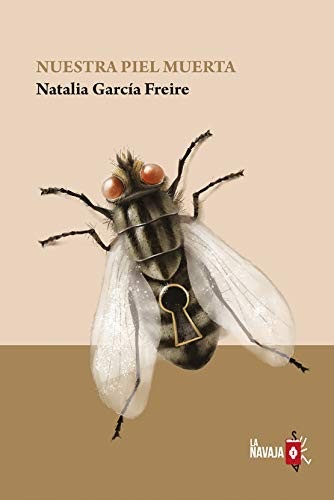
Cover of Nuestra piel muerta

Nuestra piel muerta

Natalia García Freire

4 ideas

  1. Son returns to a usurped family house

    A grown son, Lucas, comes back to his childhood home in rural Ecuador after two strangers had moved in, won over his father, pushed his mother aside, and remade the household and its garden to their own design. The book is a concrete case of how an outsider can take over a household from within while the family goes along with it.

  2. Garden control as control of household

    Who decides what grows, what gets uprooted and what counts as a weed is a direct measure of who holds power in a home. Reading the changes to land and plants shows the power shift that people's words hide.

  3. Identification with vermin as displaced selfhood

    A child pushed out of his place in the family comes to identify with the insects and crawling things in the garden: small, overlooked and treated as pests to be removed. Taking the vermin's side lets him feel the injustice of his exclusion without facing it head on.

  4. Addressing the dead preserves unresolvable grievance

    Because no reply or reconciliation is possible, the grievance does not ease and instead keeps sharpening. Mourning then turns into a lasting occupation of the past, much as the strangers once occupied the house.

Save and mark ideas in the app