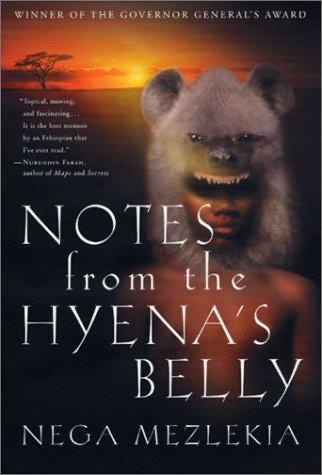
Cover of Notes from the Hyena's Belly

Notes from the Hyena's Belly

Nega Mezlekia

4 ideas

  1. Jijiga schoolboy swept into revolution

    Nega Mezlekia grew up in Jijiga, a garrison town near the Somali border. As a student he joined the protests against Haile Selassie's rule, welcomed the 1974 Derg takeover, and was then caught up in the Red Terror's purges of young radicals and the violence of the 1977–78 Ogaden war with Somalia. He eventually fled Ethiopia. His youth is a documented case of a generation that helped topple an old autocracy, only to be hunted and killed by the military regime that replaced it.

  2. Revolutions devour their earliest youthful supporters

    Students and idealists supply the crowds and moral legitimacy that bring down an old regime. A disciplined armed faction then captures the new state. Once it holds power, that faction treats its former allies as rivals for revolutionary legitimacy, so the people most committed to change become the first targets of mass repression.

  3. Terror works by making families complicit

    State terror becomes most effective when it goes beyond killing and pulls ordinary social bonds into its machinery. It does this through public display of bodies, pressure on relatives to inform or stay silent, and the humiliation of grieving families. Seeing repression this way shifts attention from the number of deaths to how a regime turns neighbors and kin into instruments of fear.

  4. Borderland childhood amid overlapping identities

    In a frontier town like Jijiga, Amhara, Oromo and Somali communities, folk belief and state ideology all coexisted uneasily. A child learns to move between competing loyalties long before politics names them. When war arrives, those everyday ethnic and national boundaries become lines of suspicion, turning neighbors into presumed enemies.

Save and mark ideas in the app