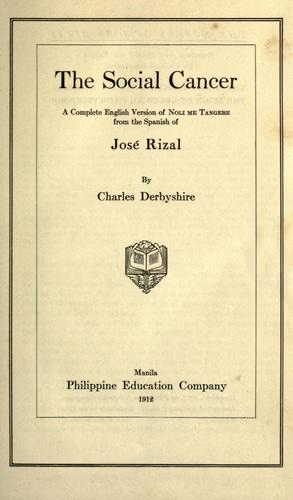
Cover of Noli Me Tangere

Noli Me Tangere

José Rizal

4 ideas

  1. Diagnosing society as a hidden cancer

    The novel's dedication treats colonial society as a patient with a 'social cancer' so shameful that no one will name it. It proposes that the reformer's first act is exposure, lifting the covering to show the wound, because a disease that stays hidden cannot be treated. Silence and politeness around an abuse keep it alive.

  2. Ibarra's school undone by friar power

    Crisostomo Ibarra returns from Europe and tries to improve his town by building a secular school, working through legal and cooperative channels. Friars who see education as a threat to their control sabotage the project. The story shows that when an entrenched institution fears an idea, loyalty and good intentions do not protect the reformer.

  3. Unchecked clerical authority corrupts both church and state

    The novel argues that when religious orders hold civil, economic and spiritual power together, confession, the sacraments and parish control turn into tools for surveillance, sexual exploitation and political persecution. Padre Damaso's abuses and Padre Salvi's scheming are not presented as individual failings. They are presented as the predictable result of power with no outside accountability.

  4. Moderate versus radical responses to oppression

    Ibarra and Elias embody two answers to injustice. Ibarra wants gradual reform that works with the existing authorities. Elias, a fugitive shaped by his family's ruin, sees that the system punishes even loyal reformers and so leans toward revolt. The novel stages the dilemma by radicalizing the moderate: Ibarra is persecuted anyway, which suggests that repressing peaceful reform manufactures the revolutionaries the regime fears.

Save and mark ideas in the app