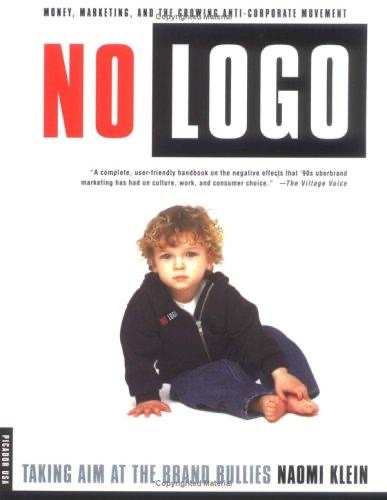
Cover of No Logo

No Logo

Naomi Klein

6 ideas

  1. Brands, not products, became corporations' core output

    From the mid-1980s leading firms concluded that their real value lay in the brand as a meaning or lifestyle, and that manufacturing was a cost center to be minimized. Money was pulled from factories and wages and put into marketing and sponsorship. The corporation became a hollow shell that sells an identity while contractors elsewhere make the physical goods.

  2. Marlboro Friday and the brand crisis

    On April 2, 1993, Philip Morris cut Marlboro's price by 20% to fight cheap generic cigarettes, and brand-name stocks fell sharply. Commentators declared brands dead because shoppers seemed to be choosing on price. The firms that came through best were the ones that doubled down on lifestyle marketing, and that fed the brand-first model.

  3. Export processing zones as extraterritorial factories

    Export processing zones are fenced industrial areas where governments offer tax holidays, weak labor enforcement and suppressed unions to attract contract manufacturing. Work there is temporary, mostly done by young women, and moves on as soon as wages rise or workers organize. Production is made placeless so the brand owner has no lasting tie to any worker or community.

  4. Branding as colonization of unbranded space

    Seen this way, marketing does more than advertise inside set limits. It keeps expanding into schools, universities, city streets, music and even personal identity until almost nothing is left without a brand. The useful question to ask of any sponsorship or 'partnership' is which formerly public or noncommercial space it absorbs.

  5. Brand fame creates its own vulnerability

    A company that builds its value on an emotional image depends on that image, so exposing the gap between the brand's promise and its labor practices can hurt it directly. Activists aim at logos like Nike, Shell and McDonald's because their fame gives any revelation instant reach. The brand's biggest asset becomes the lever for holding it accountable.

  6. Culture jamming as semiotic counterattack

    Culture jamming means altering ads, billboards and logos so they expose the corporate reality they were designed to hide, turning the brand's own visual language against it. It works because the audience already knows the imagery, so the parody spreads easily. It also shows how corporate speech crowds out other voices in public space.

Save and mark ideas in the app