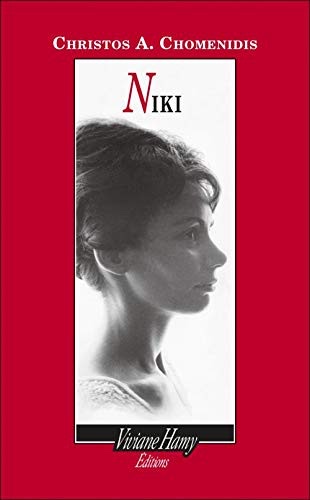
Cover of Νίκη

Νίκη

Christos Chomenidis

4 ideas

  1. A Daughter Named Victory Narrates Defeat

    Niki, whose name is Greek for 'victory', is the daughter of a communist family. The irony is built into her name: her parents gave her a name that promised the revolution's triumph, and she tells a story in which the Left lost.

  2. Family as the Battlefield of Ideology

    Political history is shown through the household rather than the parliament or the front. Party loyalty, clandestine work, arrests and exile reshape marriages, parenting and love. Read this way, a regime change or civil war registers as who is absent from the table, what cannot be said to children, and which loyalty wins when love and the cause conflict.

  3. Children Inherit Their Parents' Lost Causes

    The second generation of a defeated movement inherits its hopes, grudges, silences and names without having chosen them. A child's identity can be shaped more by a cause that failed than by her own experience. Her task becomes judging her parents with both tenderness and irony: neither canonizing them as martyrs nor dismissing them as fools.

  4. History as Reconstructed Family Testimony

    A narrator recounting events that happened before her birth, or outside her sight, has to assemble them from family lore, hearsay and imaginative filling-in. The result is a blend of fact and myth. The novel treats this unreliability as the real texture of how ordinary people know their national history: through inherited stories told with bias, humor and grief, not through documents.

Save and mark ideas in the app