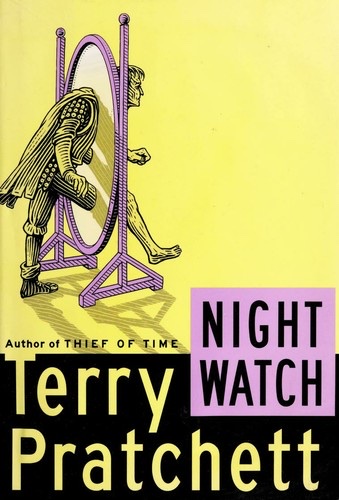
Cover of Night Watch

Night Watch

Terry Pratchett

4 ideas

  1. The barricade on Treacle Mine Road

    When the tyrant Winder dies and the revolution is quietly absorbed by the next regime, the defenders are remembered with lilacs by the few who were there, while the official histories forget them. The episode tests whether decent order at street level can outlast the grand political causes built above it.

  2. Revolutions change masters, not the machinery

    The book argues that popular uprisings led by idealists usually end with a new set of powerful people running the same system, because the people who can take power are the ones already positioned near it. The man with nothing is still walking the same streets afterward. What changes his life is not who holds the palace but whether the person holding the truncheon on his corner obeys rules.

  3. Rules as protection for the weak

    Vimes insists on due process, like no torture, no killing prisoners and arrests by the book, even when breaking the rules would be quicker, because procedure is the only barrier between the powerless and whoever holds force. A watchman who drops the rules 'for good reasons' becomes the same thing as the secret police, the Unmentionables. The rules protect the suspect, but they also keep the enforcer from becoming what he polices.

  4. Mentorship as inherited character, not instruction

    Vimes has to act out Keel's lessons for young Sam, knowing he learned them from watching the man and not from being told. What gets passed on is conduct under pressure: how you treat a prisoner, when you refuse an order, whose side you stand on. This view treats a mentor's real curriculum as the choices a junior sees him make in the worst moments.

Save and mark ideas in the app