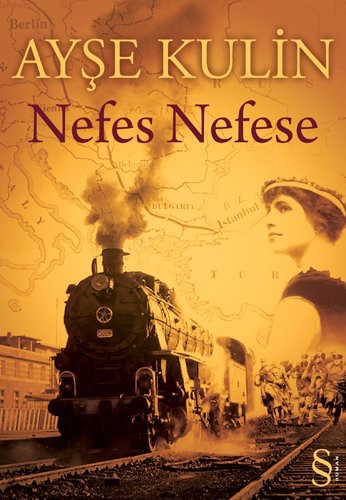
Cover of Nefes Nefese

Nefes Nefese

Ayşe Kulin

4 ideas

  1. Diplomats route Jews home by train

    In occupied France, Turkish consular officials issue or re-validate papers for Jews with Turkish ties, including many whose citizenship had lapsed, and put them on a sealed train across Nazi-controlled Europe to Istanbul. The novel frames this through Selva, a Muslim woman from a prominent Ankara family who eloped to Paris with her Jewish husband, Rafael. Her fate is bound up with the fate of the train, while her estranged family in Ankara follows the war from the capital of a neutral country.

  2. Paperwork status determines survival more than identity

    Under occupation, the same person lives or dies depending on which state claims them on paper. Rescue therefore works by bureaucratic reclassification, where officials stretch the rules on who counts as a citizen, rather than by force.

  3. Neutrality as leverage, not passivity

    A neutral country that both sides are courting holds bargaining power that belligerents lack. The novel shows Turkish officials using their country's valued neutrality to demand safe passage for their nationals. Being outside the war becomes a way to act inside it.

  4. Mixed marriage as fault line under pressure

    A marriage across religious lines that was a private scandal in peacetime becomes a question of life or death once persecution begins. The novel tests family loyalty against pride and social convention: relatives who cut off the couple for marrying out must decide whether that rupture holds when the husband's people are being deported.

Save and mark ideas in the app