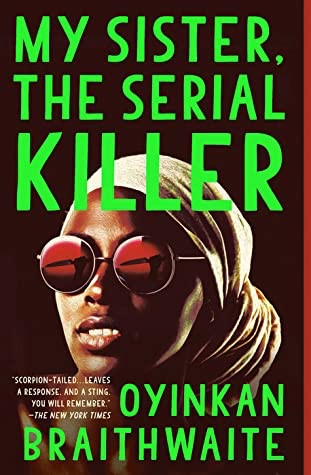
Cover of My Sister, the Serial Killer

My Sister, the Serial Killer

Oyinkan Braithwaite

4 ideas

  1. Nurse who bleaches away her sister's murders

    In Lagos, Korede, a meticulous hospital nurse, is summoned by her beautiful younger sister Ayoola after Ayoola stabs her third boyfriend, Femi, with a knife that belonged to their abusive late father, and Korede scrubs the blood with bleach and disposes of the body. Korede can confide only in Muhtar, a comatose patient at her hospital. The crisis comes when Ayoola begins dating Tade, the doctor Korede secretly loves, and Korede must choose between exposing her sister and protecting her; in the end she protects Ayoola.

  2. Competence as the engine of complicity

    The skills that make a caretaker reliable, such as tidiness, knowledge of blood and chemicals, and calm under pressure, are the same skills that make them the perfect accomplice. Because the caretaker absorbs the consequences, the person causing harm never has to change, and the helper's virtue sustains the harm.

  3. Beauty as a license that suspends scrutiny

    Men, colleagues and even police see Ayoola's beauty and read it as innocence and desirability, so the evidence around her goes unexamined. Meanwhile her plainer sister's watchfulness reads as jealousy. Looked at this way, attractiveness works as social immunity: it redirects suspicion onto the less favored person nearby.

  4. Shared childhood abuse binds victims into silence

    The sisters' loyalty is forged by surviving their violent father together, which included a moment when they let him die. That shared secret makes betraying each other feel like betraying their own survival. Trauma experienced jointly creates a pact that outranks outside moral codes, romantic love and self-interest, so the protector keeps choosing the family bond even when it destroys her own chances.

Save and mark ideas in the app