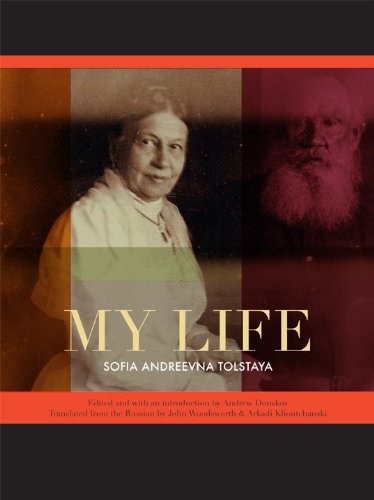
Cover of My Life

My Life

Sofia Tolstaya

2 ideas

  1. A diary with a known reader is a letter

    Once a diarist knows a specific person will read the entries, the diary stops being a record and becomes an argument addressed to that person, and every entry is written partly to wound, justify or persuade them. A reader should treat such journals as a two-party correspondence carried on in private form, not as unguarded inner truth. The only place candour can then survive is a second, hidden notebook, and the existence of that hidden notebook is itself evidence of what the visible one was doing.

  2. Whoever holds the papers writes the posterity

    A famous person's reputation, and the reputations of the people around them, is settled less by the life than by who controls the manuscripts, diaries and rights after death. In the Tolstoy household the fight over notebooks and the will was really a fight over which account of the marriage later readers would inherit. That is why the excluded party writes a counter-memoir: it is the only way to put their own document into the archive that will judge them.

Save and mark ideas in the app