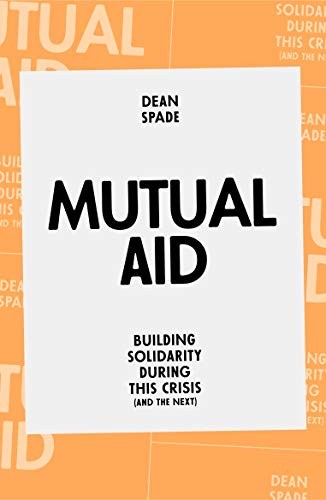
Cover of Mutual Aid: Building Solidarity During This Crisis (and the Next)

Mutual Aid: Building Solidarity During This Crisis (and the Next)

3 ideas

Buy on Amazon
  1. Mutual aid distinguished from charity

    Mutual aid is survival work done collectively by people meeting each other's needs directly, built on the shared understanding that the systems producing the crisis will not save us. Unlike charity, it refuses the hierarchy of saved and saver, is not means-tested or paternalistic, and aims to build participants' collective power rather than manage their deprivation.

  2. Three functions mutual aid must serve

    Effective mutual aid projects simultaneously meet immediate survival needs, mobilize new people by giving them real work to do, and build shared political analysis of why the crisis exists. Projects that provide relief without the second and third functions become service provision; the combination is what makes the work a movement-building strategy.

  3. Horizontal structure resists co-optation and burnout

    Mutual aid groups that operate through distributed, consensus-oriented participation rather than charismatic leaders or professionalized staff are harder for the state and funders to co-opt or decapitate. Spade argues this horizontalism also distributes labor to prevent burnout, though he notes it requires deliberate attention to conflict, accountability, and informal hierarchies that form anyway.

Save ideas and give them a thumbs up or down in the app