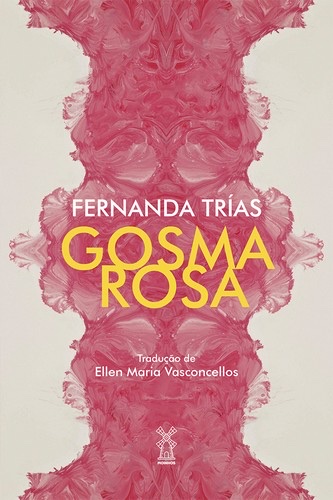
Cover of Mugre rosa

Mugre rosa

Fernanda Trías

4 ideas

  1. Caregiver who stays in poisoned Montevideo

    In a Montevideo emptied by a toxic red wind from the sea and an algal bloom, an unnamed woman chooses not to evacuate. She visits her ex-husband Max, quarantined in hospital with an illness that attacks the skin; she keeps a strained bond with her mother; and she is paid to look after Mauro, a boy with a hunger disorder who will eat anything. Her refusal to leave comes from ties of care, guilt and inertia rather than any heroic purpose.

  2. Pink slime as residue made edible

    The 'mugre rosa' is a pink paste made from ground meat scraps and waste, and it becomes a staple food as the city collapses. It stands for a system that turns its own leftovers into something people must consume. In a crisis, the poor and the trapped end up living on the processed remains of what others discarded.

  3. Insatiable hunger as mirror of extraction

    His body turns into a small version of an economy that devours without limit and a sea that has been poisoned by that consumption. Seen this way, containing one child's compulsion and failing to contain a city's appetite are the same problem at different scales.

  4. Catastrophe becomes routine through habitual adaptation

    A slow disaster does not arrive as one rupture. It gets absorbed into daily life through sirens, closed windows, curfews and shortages that people stop registering as extraordinary. Because each adjustment is small, people keep staying, working and caring long after leaving would have been the rational choice.

Save and mark ideas in the app