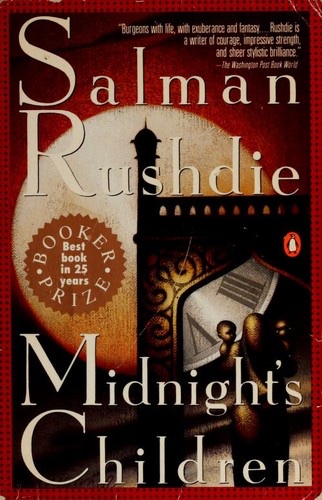
Cover of Midnight's Children

Midnight's Children

Salman Rushdie

4 ideas

  1. Saleem Sinai, handcuffed to India's history

    Saleem Sinai is born at the exact stroke of midnight on 15 August 1947, the moment of India's independence. His life then tracks the nation's: 1,001 children born in that first hour gain magical powers, and their Midnight Children's Conference fractures along lines of class, religion and language. The Emergency (1975–77) finally ends the children's powers through forced sterilization, which the narrative calls 'sperectomy'.

  2. Individual life as allegory of nation

    If one person's biography is fused with a nation's, every private event becomes a public one, like a nose, a haircut or a family quarrel. National events also turn into personal wounds. This fusion shows how official history compresses millions of lives into one 'representative' story, and it exposes the arrogance of any single narrator who claims to speak for a whole country.

  3. Memory's truth over literal truth

    Memory selects, distorts, exaggerates and reorders events until it builds a version of reality that is internally coherent. The rememberer then trusts it more than any documented fact. Saleem knowingly gets dates wrong, such as Gandhi's assassination, and refuses to fix them. His point is that a self and a history are built from what is remembered, not from what happened.

  4. Nations are collective fictions requiring constant renarration

    India, the book argues, did not exist before it was imagined. It is a 'mass fantasy' held together by stories that many people agree to believe. When factions can no longer share one narrative, the national fantasy splinters, as the Midnight Children's Conference does. A pluralist nation therefore survives only as long as it can hold many competing stories at once without forcing them into one.

Save and mark ideas in the app