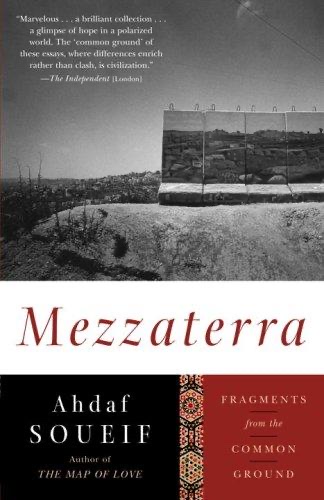
Cover of Mezzaterra

Mezzaterra

Ahdaf Soueif

5 ideas

  1. Mezzaterra: the shared cultural middle ground

    Mezzaterra is the common ground between Arab and Western culture, where a person can draw on both traditions without having to renounce either. Soueif locates it in the Egypt of her childhood in the 1950s and 60s, where English literature, Arabic heritage and cosmopolitan politics coexisted as one inheritance. It is not a neutral zone but a place people actually inhabit, built by generations who absorbed Western ideas without treating them as foreign conquest.

  2. Common ground erodes from both sides

    The shared middle ground shrinks because two opposing pressures reinforce each other. Western hostility toward Arabs and Muslims pushes people toward defensive identity, and religious and nationalist absolutism then supplies Western hawks with evidence for their hostility. Each side demands that people in the middle choose a camp, so bicultural people end up treated as traitors by one side or suspects by the other.

  3. Journey through Palestine in the Second Intifada

    She recorded ordinary people losing hours at checkpoints, communities cut off from each other by closures and settler roads, and the daily mechanics of occupation. Her account is firsthand evidence of how military occupation is lived as logistics, delay and humiliation rather than as episodic battles.

  4. Symmetrical language hides asymmetrical power

    Media phrases such as 'cycle of violence', 'clashes' and 'both sides' present occupier and occupied as equal parties in a feud. This framing removes the structural fact of occupation, so resistance appears as unprovoked aggression and state force appears as reaction. Once you notice the grammar of a report, including who acts, who merely dies, and what counts as the starting point, you can see how neutral-sounding language takes a side.

  5. The bicultural writer's duty to translate

    In Western discourse the Arab world is reduced to a few images: the veil, terrorism, despotism. Someone who lives in both cultures therefore has a responsibility to supply what those images erase, meaning ordinary domestic life, humour, literature and argument. Soueif does this through reviews, cultural commentary and literary translation into English, so that Arabs appear as full subjects rather than as a security problem.

Save and mark ideas in the app