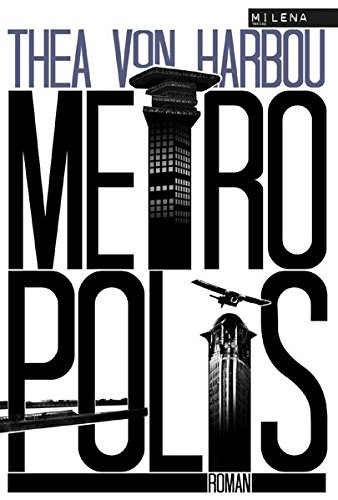
Cover of Metropolis

Metropolis

Thea von Harbou

4 ideas

  1. The false Maria built to break the strike

    Joh Fredersen, master of Metropolis, has the inventor Rotwang give his machine-woman the face of Maria, the saintly girl who preaches patience to the workers in the catacombs. Sent below, the double incites the workers to smash the Heart Machine, which floods their own underground city where their children are trapped.

  2. Heart must mediate between head and hands

    The novel argues that class conflict between planners (the head) and laborers (the hands) cannot be resolved by either side winning, only by an emotional mediator (the heart) who translates between them. This makes reconciliation a matter of sentiment rather than structure, which is why critics read the ending as evasive or even corporatist.

  3. Machine as devouring god demanding sacrifice

    This lens recasts industrial production as human sacrifice: exhausted, injured, and dead workers become the ritual price paid to keep the system running. Seen this way, efficiency metrics become a liturgy that hides the bodies being consumed.

  4. Babel: dreamers and builders sharing no language

    In Maria's retelling of the Tower of Babel, the people who conceived the tower never laid its stones, and the hired builders never shared the dream they were sweating for. The tower collapses because the planners and the laborers could no longer understand each other, not because it was badly engineered. The mechanism is that a project fails when the people who plan it and the people who build it no longer share purpose or language, and the gap turns labor into resentment.

Save and mark ideas in the app