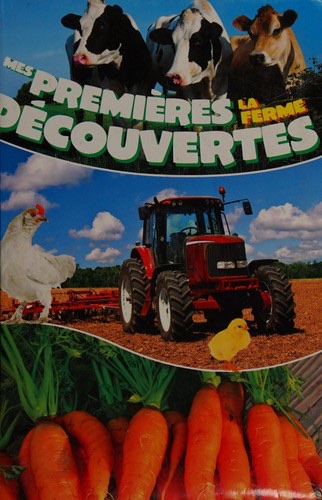
Cover of Mes premières découvertes

Mes premières découvertes

Anonymous

4 ideas

  1. Seed becomes plant through turned transparencies

    The book shows a single seed in the soil, and as the child turns each transparent acetate page, printed layers add a root, then a shoot, then leaves, until a full plant stands where the seed was. The earlier stage stays faintly visible beneath each new layer, so the seed and the grown plant appear on the same spread as one continuous object.

  2. Overlay page as a time-lapse device

    A transparent overlay turns a slow process into a series of discrete states. The reader's own page-turn advances the process one step. Growth that takes weeks becomes a sequence the child can move forward and backward through by hand, as a physical time-lapse.

  3. Hidden underground processes must be made visible

    Much of germination happens where no one can see it: the seed coat splits and the root pushes down before anything shows above the soil. The book's claim is that children understand growth only when the underground stage is drawn, cut away and exposed alongside the visible shoot, not skipped in favor of the finished flower.

  4. Change as layered accumulation, not replacement

    Seeing growth through stacked transparencies frames each new stage as something added on top of what came before, with the earlier form still present underneath. This makes the viewer read development as continuity, where the plant is the seed transformed and extended, rather than as one object swapped for another.

Save and mark ideas in the app