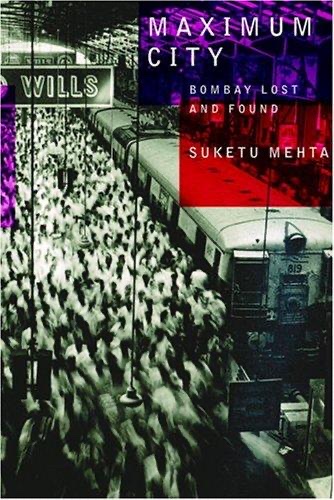
Cover of Maximum City

Maximum City

Suketu Mehta

4 ideas

  1. Adjustment as the city's survival ethic

    In an overcrowded city, people constantly make room for one more body: a seat squeezed tighter, a stranger's child held on the lap, hands reaching out of a packed commuter train to pull a running latecomer aboard. This habit of 'adjusting' turns extreme density from a source of conflict into a shared, improvised civility. It works because each person knows they will be the one needing room tomorrow.

  2. Encounter killings replace a failed court system

    When courts take years to convict and witnesses are too frightened to testify, police begin executing suspected gangsters in staged 'encounters' and call them shootouts. The public largely approves because it seems like the only working justice. The result is a state that fights organized crime by adopting its methods, so the line between cop and gangster blurs.

  3. Rioters who remember killing as belonging

    Mehta interviews ordinary Shiv Sena men who took part in the 1992–93 anti-Muslim riots. They describe burning and killing with pride rather than guilt, because the party's neighborhood branches gave them status, protection and a sense of being the city's defenders. Their accounts show mass violence being organized through local patronage networks and the promise of importance, not through spontaneous hatred.

  4. Rent control rots the housing it protects

    Tenant protection laws froze rents at decades-old levels. That left landlords with no income to maintain their buildings, so the buildings decayed and sometimes collapsed. Because rent-controlled flats could not be priced legally, a black market grew in which incoming tenants paid large under-the-table 'key money' sums, so the protection made housing both scarcer and costlier for newcomers.

Save and mark ideas in the app