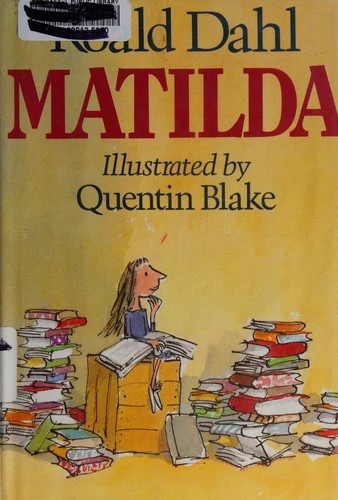
Cover of Matilda

Matilda

Roald Dahl

4 ideas

  1. Matilda's library self-education despite hostile parents

    Matilda Wormwood, ignored by a used-car-dealer father and a bingo-playing mother who think reading is a waste of time, teaches herself to read by age three. At four she walks alone to the village library and works through the children's shelf and then Dickens, Brontë, Hemingway and others, guided only by the librarian Mrs Phelps. Her story is a case of a child's intellect developing through self-directed access to books while the home actively discourages it.

  2. Tyrants rely on implausibly outrageous abuse

    Miss Trunchbull holds that her punishments must be so extreme that no parent will believe a child who reports them, for example swinging a girl by her pigtails over a fence or locking children in the spike-lined 'Chokey'. The more absurd the abuse, the less credible the victim's testimony, so the abuse protects itself. The mechanism is that disbelief, not secrecy, shields the abuser.

  3. Proportional retaliation as a child's justice

    The punishment is sized to the offense and aimed at the offender's vanity, which restores her sense of agency without escalating to real harm. When legitimate authority fails, a powerless person builds a private system of fair consequences.

  4. Unused intelligence becomes latent power

    Matilda's telekinesis appears in Miss Honey's class, where the work is too easy for her, and the book attributes it to a brilliant mind with nothing to occupy it. Once she moves up to a class that challenges her, the power disappears. Seen this way, surplus capability that isn't engaged doesn't go dormant; it builds pressure and comes out in unexpected ways.

Save and mark ideas in the app