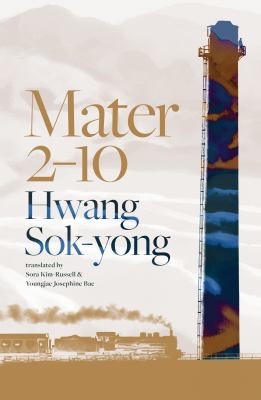
Cover of Mater 2-10

Mater 2-10

Hwang Sok-yong

4 ideas

  1. Laid-off worker's chimney sit-in with ancestral ghosts

    Yi Jino, a laid-off factory worker and great-grandson of a railway-worker family, climbs a factory chimney and stays there for a long protest over dismissals. The novel uses the sit-in as a frame through which a century of Korean labour history is recalled. The protest echoes real Korean aerial sit-ins by dismissed workers.

  2. Working-class struggle is inherited across generations

    The book presents labour resistance as a lineage rather than a series of separate episodes. Skills, grievances, organising habits and political wounds pass down through the family, so each generation's protest carries forward the unfinished fights of the one before. Under this view, a present-day dismissal protest continues colonial-era and postwar labour conflicts rather than being a new, isolated event.

  3. Railways as instruments of empire and solidarity

    The railway serves imperial extraction and state control, carrying colonial goods and troops. The same system also gathers workers into shared, skilled, interdependent labour, which makes it a place where organising and resistance form.

  4. Elevated protest as enforced visibility

    A worker who occupies a chimney or crane turns their body into an unavoidable public sign. Isolation, exposure and the risk to life are the leverage, because they make the dispute impossible for employers and society to ignore. Height stands in for the bargaining power that dismissal removed, while it also dramatizes how far outside the system the worker has been pushed.

Save and mark ideas in the app