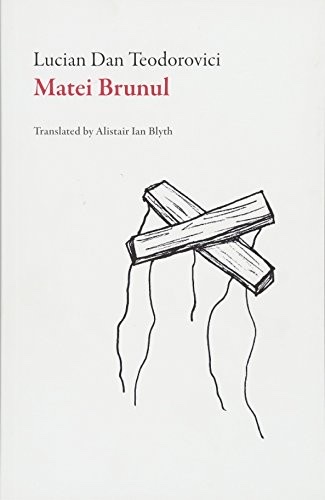
Cover of Matei Brunul

Matei Brunul

Lucian Dan Teodorovici

4 ideas

  1. Amnesiac puppeteer given a state-authored past

    In 1950s communist Romania, Matei Brunul, a puppeteer of Italian-Romanian background, leaves a Stalinist prison with his memory wiped by an injury suffered inside. The puppeteer becomes a puppet whose strings he cannot see, because the only account of his own life he has access to is the one his handler wrote.

  2. Custodial memory as total control

    When one person holds sole authority over another's past, they control that person's present choices without coercion. The subject cannot test any claim about who they were, what they believed, or whom they trusted. Every act of obedience then feels like acting in character rather than submitting.

  3. The manipulator as dependent handler

    Read the handler-subject relationship as mutual dependence rather than one-way domination. The officer's career, self-image and sense of purpose come to rest on keeping the fabricated identity stable. That leaves the controller bound to the fiction too, anxious and invested, exposed to its collapse as much as the subject is.

  4. Totalitarian regimes rewrite individuals like histories

    The regime's project of erasing and rewriting the national past works the same way at the scale of a single life. A person with no memory is the ideal citizen of such a state: a blank surface onto which an approved narrative can be inscribed. Recovering fragments of genuine memory therefore becomes an act of political resistance, even when it is involuntary.

Save and mark ideas in the app