Cover of Marcos Martial Law: Never Again

Marcos Martial Law: Never Again

Raissa Robles

4 ideas

  1. Liliosa Hilao, first detainee death

    In April 1973, Liliosa Hilao, a 23-year-old student editor at the Pamantasan ng Lungsod ng Maynila who had criticized the regime, was arrested by soldiers at her family's home. She died in military custody at Camp Crame, and the military called her death a suicide by drinking acid. Her family and supporters said her body showed signs of torture, and her case became the documented first death of a political detainee under martial law.

  2. Dictatorship laundered through legal paperwork

    Marcos ruled through Proclamation 1081, numbered general orders and presidential decrees, and a 1973 constitution approved by 'citizens' assemblies' voting by show of hands. This kept arrests, censorship and indefinite one-man rule looking lawful.

  3. Crony capitalism as plunder machinery

    The regime handed control of whole sectors, such as coconut levies and sugar trading, to loyal associates through decrees, monopolies and state loans. Profits and kickbacks were then moved offshore into Swiss accounts opened under aliases such as 'William Saunders' and 'Jane Ryan'.

  4. Documentation as antidote to 'golden age' myth

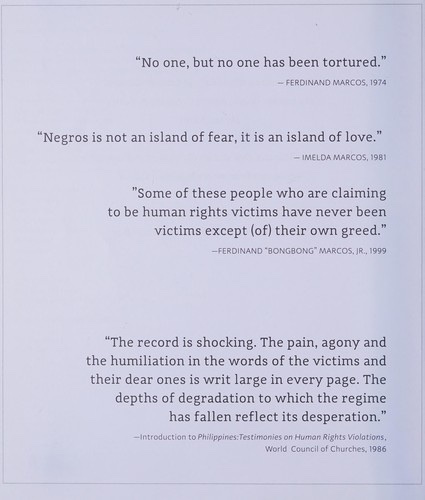
    Nostalgic revisionism casts martial law as an era of discipline and prosperity. Its power comes from replacing specifics with vague impressions. Countering it means returning to verifiable records: named victims, tallies of detentions and killings, and foreign debt growing roughly tenfold to about US$26 billion. A generation without memory of the events can then weigh evidence instead of family or political folklore.

Save and mark ideas in the app