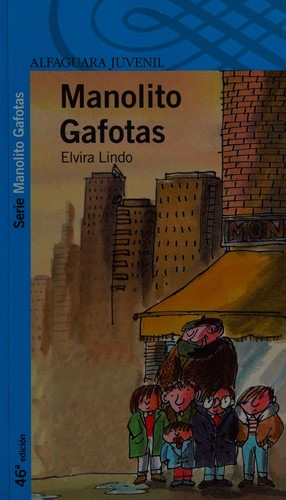
Cover of Manolito Gafotas

Manolito Gafotas

Elvira Lindo

4 ideas

  1. Manolito's crowded household in Carabanchel Alto

    Manolito García Moreno, nicknamed 'Gafotas' for his thick glasses, lives in a small flat in Carabanchel Alto, Madrid. He calls his baby brother 'el Imbécil'. The book shows three generations of a working-class family packed into limited space, where the grandfather and the boy become each other's closest companions.

  2. Owning the insult as your name

    In Manolito's neighbourhood nearly everyone carries a mote, a nickname based on a physical flaw or social fact, such as Gafotas, Orejones, or Susana Bragas-sucias. By introducing himself with his own mocking nickname, the child takes away its power to wound and turns it into a badge of belonging. The nickname works less as an attack than as a recognition that you are part of the group.

  3. Adult strain seen through child literalism

    Manolito reports what he overhears and observes, such as a friend's divorced parents and psychologist visits, his father's absences, or money worries, with confident misunderstanding. The humour comes from the gap between what he says and what the adult reader grasps. That gap lets hardship reach the reader without the narrator ever becoming solemn about it.

  4. Affection expressed through roughness, not declarations

    In Manolito's working-class household, love is carried by teasing, insults, slaps to the neck, and practical care, not by stated feelings. The novel treats scarcity and cramped living as ordinary texture rather than tragedy, and refuses to pity its characters. Their dignity comes from being funny and loyal inside their constraints.

Save and mark ideas in the app