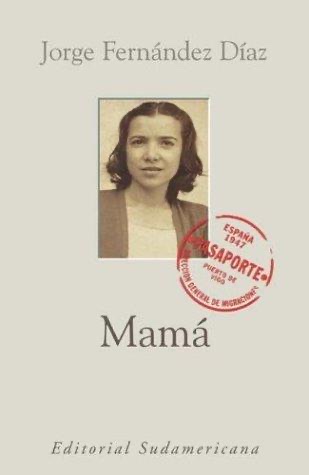
Cover of Mamá

Mamá

Jorge Fernández Díaz

4 ideas

  1. Asturian girl emigrates alone at fifteen

    In the hungry years after the Spanish Civil War, a fifteen-year-old girl from a village in Asturias crossed the Atlantic alone to Buenos Aires and built a working life there as an immigrant. Decades later her son, a journalist, recorded about fifty hours of interviews with her and reconstructed her life from them. It is a documented case of adolescent, unaccompanied, economically forced migration and the long adult life that followed from it.

  2. Interviewing a parent as a stranger

    Children know their parents only from the point where their own memory begins, so everything before that stays assumed and unasked. When the child sets aside the family role and questions the parent with a reporter's method, sitting after sitting and chronologically, a separate person with her own youth, fears and choices appears. Changing the frame from intimacy to inquiry reveals what closeness had hidden.

  3. One life can carry a nation's story

    In a country built by mass immigration, the collective history lives in millions of nearly identical private histories rather than in public events. Telling one ordinary immigrant's life in concrete detail, including the departure, the labor, the homesickness and the raising of Argentine children, reaches readers through recognition, because so many of them have the same figure in their own family. That recognition explains why a modest family portrait reached a mass audience.

  4. The immigrant's unspoken double belonging

    An emigrant who leaves as an adolescent carries a homeland frozen at the moment of departure while becoming fully shaped by the new country. Much of that loss goes unspoken inside the family, so the children inherit the nostalgia without its story until someone deliberately asks.

Save and mark ideas in the app