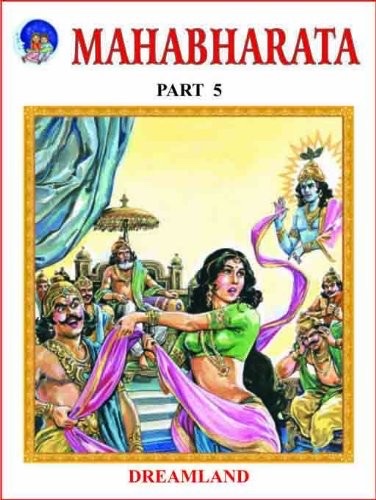
Cover of Mahabharata

Mahabharata

4 ideas

Buy on Amazon
  1. Act without attachment to outcomes

    One can perform required action fully while renouncing claim to its fruits, treating duty as its own justification rather than a means to a result. This separates the obligation to act rightly from the craving for a particular reward, which is held to free the actor from paralysis and from the moral residue of success or failure.

  2. Arjuna refuses to fight at Kurukshetra

    On the battlefield, the warrior Arjuna collapses in despair at the prospect of killing his own kinsmen, teachers, and elders arrayed against him, and drops his bow. His charioteer Krishna argues him back into fighting by reframing his duty as a warrior, the imperishability of the soul, and the obligation to act without attachment.

  3. Dharma binds even its own champions

    The epic asserts that righteousness is upheld through morally compromising acts: the virtuous Pandavas win only by deceptions sanctioned or urged by Krishna, and the eldest, Yudhishthira, tells a half-lie that kills his teacher. The book presents right conduct as unavoidably entangled with transgression rather than cleanly separable from it.

  4. Gambling away a shared stake

    Yudhishthira stakes and loses his kingdom, brothers, himself, and their common wife Draupadi in a rigged dice game, binding others to the consequences of his private compulsion. The episode shows how one person's authority to wager collective goods can destroy everyone legally tied to him.

Save ideas and give them a thumbs up or down in the app