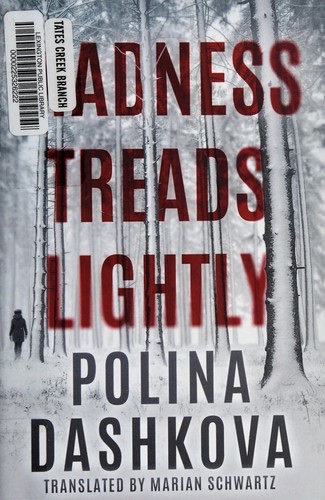
Cover of Madness Treads Lightly

Madness Treads Lightly

Polina Dashkova

4 ideas

  1. Editor learns a dead killer is alive

    In mid-1990s Moscow, the editor Lena Polyanskaya grows suspicious when a friend's brother, the poet Mitya Sinitsyn, is found dead in what is ruled a suicide. The case shows how an outsider's personal knowledge of a victim can expose a staged death that institutions accepted.

  2. Official closure lets predators operate unseen

    When a case is declared closed, whether by a ruled suicide or a presumed death, the people who could investigate stop looking. A killer who is recorded as dead or whose murders are filed as suicides gains an invisibility that no disguise could give him. Only someone who refuses the official verdict can reopen the danger.

  3. Reading someone's words as surveillance

    A stalker does not need to be physically present if the target publishes, edits, or writes. Her texts reveal her tastes, her routines, and her inner life, so every published page works as an intelligence report on her. Seen this way, a person's public writing is an attack surface as well as a form of expression.

  4. Madness that passes as normality

    The killer's derangement 'treads lightly': it sits behind a socially competent, even charming, surface and does not announce itself. Dangerous pathology stays hidden because it fits ordinary life, so it is only noticed through small inconsistencies, never through obvious strangeness. The people closest to such a person are the least likely to see it, because familiarity reads as safety.

Save and mark ideas in the app