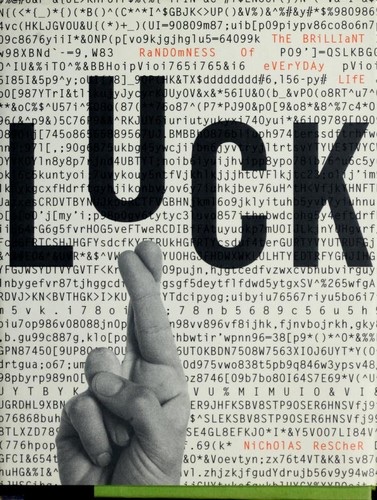
Cover of Luck

Luck

Nicholas Rescher

5 ideas

  1. Luck as unforeseeable interest-significant outcome

    Luck is present when something good or bad happens to someone, it significantly affects their interests, and it was unforeseeable from their point of view. All three conditions are required. A predictable windfall is not luck, and a surprise that affects no one's interests is not luck either.

  2. Luck is epistemic, not a feature of reality

    Luck depends on what the affected person could know, not on whether the event was objectively random. In a fully deterministic world people would still be lucky or unlucky, because outcomes would still be unforeseeable from their standpoint. The same event can be luck for one person and no luck at all for someone who saw it coming.

  3. Moral luck is a confused notion

    Moral credit and blame belong to what an agent intends and tries to do, not to how the world happens to respond. A reckless driver who by accident harms no one is as blameworthy as one who kills someone. What luck changes is the consequences and the legal treatment, not the agent's moral standing.

  4. The lottery winner who had to exist

    Someone has to win a lottery, so a winner's existence is no surprise. Yet the particular winner is lucky, because their own win was unforeseeable to them. This shows that luck is about an outcome that was improbable for a specific person, not about improbable events in general. It also shows that past wins do not make someone a 'lucky person' with a lasting trait.

  5. Judge decisions by reasoning, not outcomes

    Luck opens a gap between how wisely someone decided and how well things turned out. A rational choice can end badly and a foolish one can pay off. Foresight and prudence shrink the area where luck operates but never remove it.

Save and mark ideas in the app