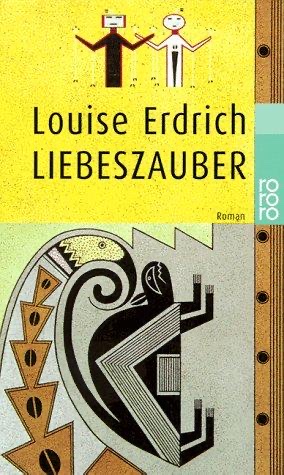
Cover of Love Medicine

Love Medicine

Louise Erdrich

4 ideas

  1. Lipsha's substitute turkey-heart love medicine

    Marie Kashpaw asks her grandson Lipsha Morrissey to make a love charm so her husband Nector will stop pursuing his old lover Lulu Lamartine. The recipe calls for the hearts of wild geese, which mate for life, but Lipsha fails to shoot any and buys frozen supermarket turkey hearts instead; Nector chokes on the raw heart Marie feeds him and dies. Lipsha concludes that the power was never in the object but in the faith and love of the people who used it, and that his shortcut had turned a healing act into a fatal one.

  2. Truth assembled from many partial narrators

    Events such as June's death, Lipsha's parentage, and the Nector-Marie-Lulu triangle only become legible when the reader stitches the contradictory accounts together. A community's history is held collectively and never fully by any one person, and every single-voice account is a distortion.

  3. Breaking the car to reach a traumatized brother

    In 'The Red Convertible,' Henry Lamartine Jr. comes back from Vietnam withdrawn and unreachable. His brother Lyman secretly damages the convertible they once shared, hoping that repairing it will pull Henry back into life. Henry fixes the car, then walks into a flooded river and drowns, and Lyman sends the car in after him. The episode shows that a material pretext can open contact but cannot by itself heal war trauma.

  4. Kinship is made by taking in

    Marie Kashpaw raises children who are not biologically hers, including her niece June and June's abandoned son Lipsha, and these absorbed children become the family's emotional center. Families on the reservation hold together through who is fed, sheltered, and claimed rather than through documented parentage. Hidden bloodlines such as Lipsha's parents, June and Gerry Nanapush, matter because they explain identity, not because they create belonging.

Save and mark ideas in the app