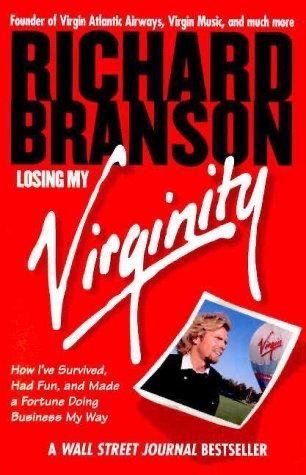
Cover of Losing My Virginity

Losing My Virginity

Richard Branson

4 ideas

  1. British Airways' dirty tricks against Virgin Atlantic

    In the early 1990s British Airways ran a covert campaign against Virgin Atlantic. BA staff accessed Virgin passenger information, contacted Virgin's customers at airports and by phone to switch them to BA, and fed hostile stories about Virgin's finances to the press. Branson sued for libel, and in January 1993 BA settled with a public apology, £500,000 to Branson, £110,000 to the airline, and legal costs; Branson distributed his damages to Virgin staff as the 'BA bonus'.

  2. Negotiate a capped downside before entering

    Before launching an airline with no aviation experience, Branson leased a single second-hand Boeing 747 on terms that let him hand it back after a year if the venture failed. The exit clause turned an open-ended bet into a known, survivable maximum loss. Under that rule a founder can enter an unfamiliar industry provided the worst case is priced and bounded in advance, rather than trusting their own forecast of success.

  3. Selling Virgin Music to save the airline

    In 1992, with the airline squeezed by recession, high fuel costs after the Gulf War and BA's pressure, Branson sold Virgin Music, the group's profitable original core, to Thorn EMI for about £510 million. The cash kept Virgin Atlantic solvent and independent. The episode shows a founder liquidating a proven asset to fund a riskier one he considered more strategically central.

  4. Founder stunts as a substitute for advertising

    A challenger with far less marketing money than its incumbent rivals can have its founder perform newsworthy stunts, such as record balloon and powerboat attempts and costumed launches. The press then covers the brand for free. Publicity here works as a budget line, buying attention the company could not afford through paid media, at the cost of tying the brand's image to one person's personal risk-taking.

Save and mark ideas in the app