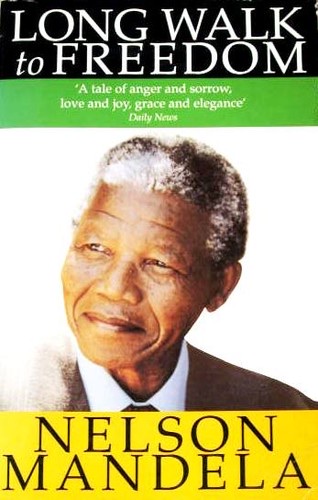
Cover of Long Walk to Freedom

Long Walk to Freedom

Nelson Mandela, abridged by Chris van Wyk

4 ideas

  1. Twenty-seven years imprisoned, then negotiated release

    He came out and negotiated with the apartheid government that had jailed him. That led to South Africa's first democratic election in April 1994, where he voted for the first time in his life at age 75 and became president.

  2. Chief's council: lead from behind

    Mandela took from this that a leader is like a shepherd who stays behind the flock. The leader lets the most capable go ahead and guides the others through them, rather than imposing a view first and closing off dissent.

  3. Oppressor and oppressed are both unfree

    Mandela argues that the person who takes away another's freedom is also a prisoner, locked behind bars of prejudice and narrow-mindedness. So liberation can't just reverse who dominates whom. The goal is to free the oppressor as well as the oppressed, which is why he refused revenge and pursued reconciliation with his former jailers.

  4. Armed struggle when peaceful protest is closed

    Mandela defends the ANC's 1961 turn to sabotage through Umkhonto we Sizwe on these grounds. After the 1960 Sharpeville massacre and the banning of the ANC, the state had answered decades of nonviolent protest only with more force, which left no lawful channel for dissent. He presents nonviolence as a tactic that works only while the opponent still responds to it. When the state shuts that channel, it is the oppressor who decides the form the struggle takes, not the oppressed.

Save and mark ideas in the app