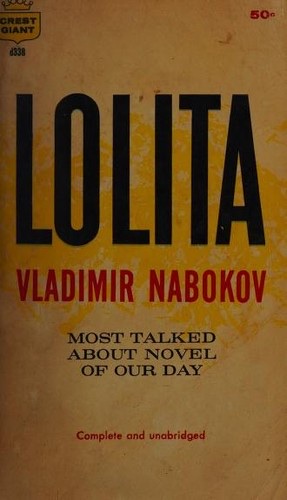
Cover of Lolita

Lolita

Vladimir Nabokov

4 ideas

  1. Humbert's two-year abduction of Dolores Haze

    In 1947 Humbert Humbert, a European émigré scholar, marries widow Charlotte Haze to get access to her twelve-year-old daughter Dolores. She escapes with the playwright Clare Quilty. Humbert finds her at seventeen, married, poor and pregnant, then murders Quilty and writes his confession in prison, and the book's fictional foreword reports that Dolores died in childbirth.

  2. Fancy prose style as moral camouflage

    The narrator uses eloquence, wit and erudition to seduce the reader into sharing his point of view, so that aesthetic pleasure in the telling slides into tacit complicity with the deed. Humbert says it outright: 'You can always count on a murderer for a fancy prose style.' The more beautiful the sentence, the more easily the atrocity it describes passes unexamined.

  3. Solipsizing: turning a person into a category

    Humbert invents the 'nymphet', a demonic category he projects onto certain girls, and by doing so he replaces the actual child with his own fantasy. He admits he has 'safely solipsized' Lolita, meaning she exists for him only as an object of his imagination and not as a subject with her own inner life. Read this way, the naming of a category is itself the first act of violence, because it licenses him to ignore the real person.

  4. The victim's truth leaks through the narrator's cracks

    Although the story is told entirely by the abuser, the facts he cannot help recording keep puncturing his romance. The book trains the reader to read against a persuasive voice by attending to the details it lets slip rather than to the frame it insists on.

Save and mark ideas in the app