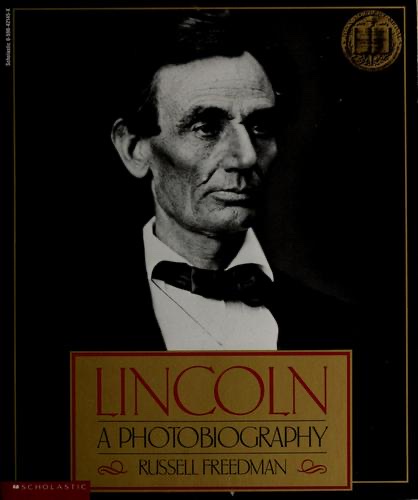
Cover of Lincoln: A Photobiography

Lincoln: A Photobiography

Russell Freedman

4 ideas

  1. Frontier boy to president through self-education

    Abraham Lincoln had less than a year of formal schooling on the Kentucky and Indiana frontier. He lost the 1858 Illinois Senate race to Stephen Douglas, but their debates made him nationally known and led to his 1860 presidential nomination and election.

  2. The legend hides the real man

    The popular myth of saintly, simple 'Honest Abe' flattens a far more complicated person. Lincoln was ambitious, politically shrewd, fond of crude jokes and storytelling, and prone to deep melancholy. Showing a revered figure's contradictions makes his achievements more credible and more human, not less.

  3. Emancipation came as a war measure

    Lincoln's stated first aim as president was to preserve the Union, not to abolish slavery, and he said he would save the Union with or without freeing any slave. He justified the 1863 Emancipation Proclamation as a military necessity. It freed enslaved people only in the rebelling states, and permanent abolition required the Thirteenth Amendment.

  4. Photographs as a record of cost

    Setting dated photographs of one person in sequence lets readers see history's toll directly. Lincoln's face ages visibly between 1860 and 1865 as war deaths and personal grief accumulate. The images serve as primary evidence that text alone cannot supply.

Save and mark ideas in the app