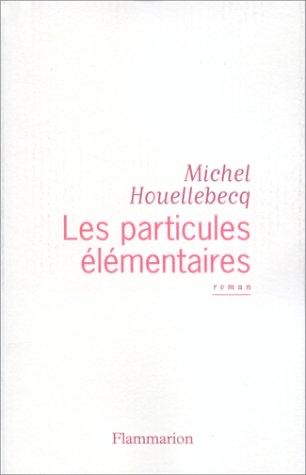
Cover of Les Particules élémentaires

Les Particules élémentaires

Michel Houellebecq

4 ideas

  1. Sexual liberalism extends market competition into intimacy

    Deregulating sex does not abolish hierarchy; it recreates the stratification of economic liberalism in the erotic sphere. Some people have a varied and exciting sex life while others are reduced to masturbation and solitude, and absolute pauperization spreads as desirability becomes the currency of social worth.

  2. Metaphysical mutation reshapes civilizations wholesale

    A metaphysical mutation is a radical, society-wide shift in worldview that is accepted by the majority, such as Christianity's rise or modern science's materialism. Once it begins it proceeds without resistance, dissolving the previous system's values and making those who hold them irrelevant. The novel treats 1960s individualism as the late decomposing phase of one such mutation, and its engineered successor species as the next.

  3. Janine's sons raised in permissive abandonment

    Janine Ceccaldi, a free-love devotee who later calls herself Jane, hands her two sons by different fathers to their grandmothers so she can pursue communes and self-realization. Bruno is humiliated at boarding school and becomes a compulsive, bitter seeker of sex through New Age resorts like the Lieu du Changement.

  4. Humans as isolated elementary particles

    Read the people of late modernity as physical particles: separate, self-interested units colliding briefly without lasting bonds. This lens attributes loneliness to the logic of individualism, which dissolves family, religion, and couple into atoms free to move and unable to join, and it does not treat loneliness as a personal failing. Clinical, scientific narration of human emotion enacts this atomization on the page.

Save and mark ideas in the app