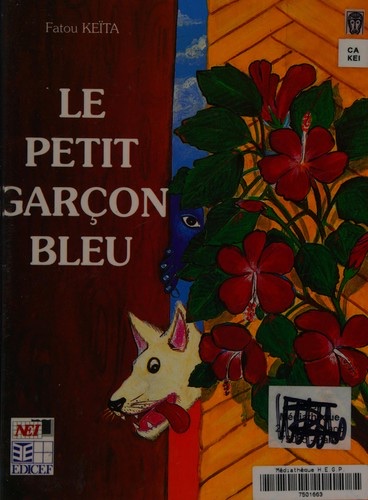
Cover of Le petit garçon bleu

Le petit garçon bleu

Fatou Keïta

4 ideas

  1. The boy born blue in a fearful village

    In Fatou Keïta's Ivorian picture book, a boy is born with blue skin, and his village responds with fear and shuns him, though he has done nothing but be born different. The tale follows his exclusion and moves toward his acceptance, making a harmless physical trait the entire basis of how a community treats a child. It won the ACCT first prize for African children's literature.

  2. Fear of difference precedes any actual harm

    The community rejects the blue boy because of what his appearance might mean, not because of anything he does. Exclusion is a reaction to the unfamiliar, and the group's imagined threat justifies its hostility toward someone who has caused no damage.

  3. Exclusion as the community's failure

    The story places the problem in the village's response rather than in the boy's blueness. Read this way, the question shifts from 'what is wrong with the outsider' to 'what does this group's reaction reveal about it.' Acceptance becomes a change the community must make, not a correction imposed on the child.

  4. Arbitrary visible trait as stand-in for otherness

    Blue skin is not tied to any real ethnicity, disability or group, which makes it a pure marker of visible difference. Because the trait carries no real-world baggage, a child reader can see the mechanism of prejudice without defending an existing bias. The lesson can then be carried over to any real difference.

Save and mark ideas in the app