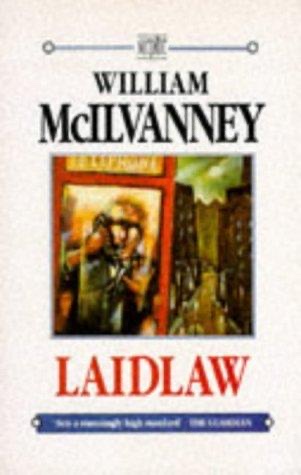
Cover of Laidlaw

Laidlaw

William McIlvanney

4 ideas

  1. The Kelvingrove Park murder of Jennifer Lawson

    Eighteen-year-old Jennifer Lawson is found raped and strangled in Glasgow's Kelvingrove Park. The killer, Tommy Bryson, is a young man terrified of his own homosexuality who kills her in panic, then hides with his friend Harry Rayburn. The detective Jack Laidlaw races to find Bryson before her father, Bud Lawson, and the city's criminal underworld reach him, because they intend to kill him rather than let him stand trial.

  2. Monsters are made by those who disown them

    Calling a killer a monster is a way for respectable people to deny that his act grew from the same fears, repressions and hatreds they carry themselves. The detective's job is to recover the killer's humanity, not to excuse him. A society that cannot see itself in its criminals cannot understand what produces them.

  3. Violence read as class and bigotry

    Read a city's violence as the overflow of pressure from poverty, sectarian hatred, rigid masculinity and sexual shame, not as a series of isolated individual crimes. Seen this way, the murder, the father's Protestant rage, and the gangsters' hunt all come from the same social machinery. What the police file calls one crime becomes evidence about how a whole community is organized.

  4. Justice requires protecting the guilty from vengeance

    The law's real test comes when the public, the victim's family and organized crime all want the offender dead. The detective's duty is to keep the guilty man alive for due process, since mob justice repeats the killer's own logic of rage turned into violence.

Save and mark ideas in the app