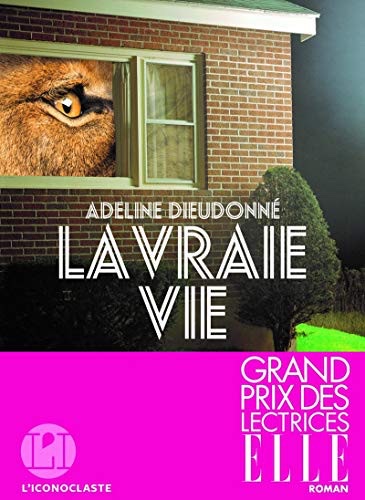
Cover of La Vraie Vie

La Vraie Vie

Adeline Dieudonné

4 ideas

  1. The ice-cream siphon and the lost laugh

    Afterwards Gilles stops laughing and grows cold, drifting toward their violent father and his trophy room of stuffed animals. The girl sets out, as a child, to become a physicist and build a time machine to undo that single afternoon.

  2. Predation as the father's organising logic

    The father is a trophy hunter, and he treats his household the way he treats game: as prey to be stalked, cornered and displayed. As his daughter reaches puberty, her growing body turns her from a nuisance into a target. The novel lets his hunting frame govern the family literally, so domestic abuse reads as a chase with a hunter and hunted rather than as scattered outbursts.

  3. Trauma pulls victims toward the aggressor

    A child shocked by violence may not flee it but move toward it. By siding with the source of fear, he feels he shares its power instead of suffering it. Gilles's lost laughter is the outward sign that he has moved inward, from victim toward the father's contempt and cruelty. This shows that rescuing a sibling means reversing an identification, not only comforting a wound.

  4. Knowledge as a child's escape route

    The girl first pursues science, through physics lessons with an older mentor, as a magical project to reverse time. It gradually becomes a real way out: it gives her an identity, competence and a future outside her father's reach. Seen this way, a child's fantastical rescue plan can do real protective work even when its stated goal is impossible.

Save and mark ideas in the app