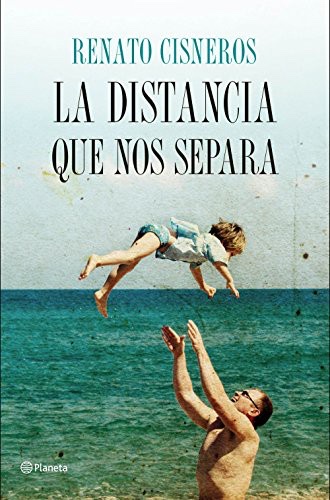
Cover of La distancia que nos separa

La distancia que nos separa

Renato Cisneros

4 ideas

  1. The general who was also Dad

    At home he was a warm, doting father, and his son, who was about twenty when the general died of cancer in 1995, spent years afterward reconstructing his life from archives, press clippings, and relatives' testimony. The investigation also surfaced family secrets, including hidden earlier relationships and children, that revealed the private man was as unfamiliar to his son as the public one.

  2. Love and verdict as separate ledgers

    A child's affection for a parent and a moral judgment of that parent's public acts are two separate accounts. Neither should be allowed to settle the other. Letting love cancel the verdict produces hagiography, while letting the verdict cancel the love produces a false memory of one's own childhood. Holding both open, without resolving them, is the only honest position toward a parent who did harm.

  3. Family silences are inherited, not ended

    Concealments about illegitimate children, earlier unions, and origins repeat across generations because each generation copies the previous one's method of protecting its reputation through silence. The secret does not disappear when its keeper dies. It passes to descendants as unexplained gaps and tensions they cannot name. Breaking the pattern requires deliberately digging it up and telling it, even at the cost of family peace.

  4. Imagination as the filler of archival gaps

    When the documentary record of a dead person runs out, the biographer-child must invent scenes and interior states to make the life legible, blending documented fact with openly acknowledged speculation. The resulting portrait is partly a projection of the son's own needs. Recognizing this makes the act of writing about a parent as much a self-examination as an investigation.

Save and mark ideas in the app