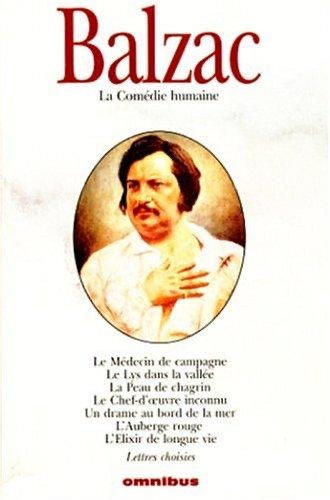
Cover of La Comédie humaine

La Comédie humaine

Honoré de Balzac

3 ideas

  1. Recurring characters as a social network

    The same figures, including Rastignac, Vautrin, Nucingen, Bianchon and Gobseck, reappear across dozens of separate novels, sometimes as protagonists and sometimes as passing names. A reader therefore meets each person only in fragments, and the way someone appears depends on which story they walk through. The effect is a society that seems to exist independently of any single plot, with reputations, debts and favors carrying over from book to book as they do in real social life.

  2. Money has replaced birth as social rank

    Aristocratic names survive mainly as assets to be traded for bourgeois fortunes through marriage. Characters who grasp that a usurer like Gobseck or a banker like Nucingen outranks a duke in real power rise, and those who cling to honor or sentiment are consumed.

  3. Social environment as species-forming habitat

    Balzac treats society the way a zoologist treats nature: professions, regions and classes produce distinct human 'species' as environments shape animals. The soldier, the grocer, the provincial notary and the Parisian journalist are each formed by their milieu. So a detailed description of a house, street or room serves as evidence about the character who lives in it. To understand a person, read their habitat, income source and daily transactions before their stated motives.

Save and mark ideas in the app