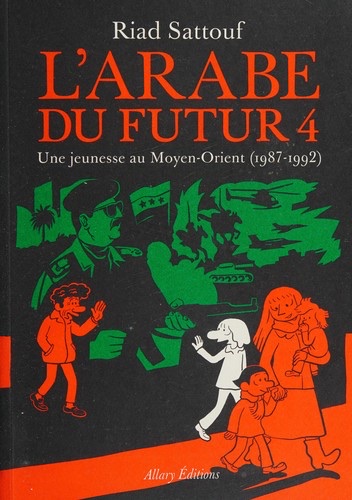
Cover of L'Arabe du futur

L'Arabe du futur

Riad Sattouf

4 ideas

  1. The father who built the 'Arab of the future'

    Abdel-Razak Sattouf, a Syrian villager with a Sorbonne history doctorate, married a Breton woman and moved his family to Gaddafi's Libya and then to his home village near Homs. He believed pan-Arab education would produce a modern 'Arab of the future', and his son Riad was meant to be that Arab.

  2. Child's-eye witness without ideological filter

    The narrator is a small boy who records smells, violence, food, humiliations and the gap between what adults say and what they do, without the adult explanations that would soften them. Each country gets its own dominant flat colour, so place and mood register before any text is read.

  3. Dictatorship is lived as scarcity and ritual

    Authoritarian ideology reaches ordinary people through material arrangements and daily rituals more than through doctrine. In Gaddafi's Libya, a policy that a home belonged to whoever occupied it meant families could lose their apartment by leaving it empty, and state shops held only one product.

  4. Humiliated ambition turning into reactionary identity

    The father mocks Arab 'backwardness' in front of his French wife and praises Arab greatness in front of the French, and each stance works as a defence of his wounded status. The book shows ideology functioning less as belief than as compensation for a self-image that reality keeps refusing.

Save and mark ideas in the app