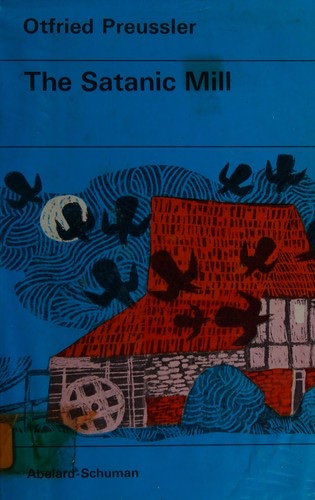
Cover of Krabat

Krabat

Otfried Preußler

3 ideas

  1. The Kantorka frees Krabat by recognition

    Krabat, an orphaned beggar boy, is lured by dreams of ravens to a mill at Koselbruch. There the Master teaches twelve journeymen black magic, and every New Year's Eve one of them dies to pay the Master's debt to a figure called the Gevatter. The Kantorka, a village girl, can free Krabat only by asking for him and then picking him out, blindfolded, from the identical row of journeymen; she succeeds because she senses his fear for her, and when she wins the Master dies, the mill burns and the journeymen lose their magic.

  2. The perpetrator was once the apprentice

    When he offers Krabat the succession, he shows how such a system renews itself: it recruits its next ruler from its most capable victim by offering escape through promotion. Seen this way, evil institutions are chains of former victims who each chose to take over the role rather than break it.

  3. Power without cost corrupts, love reveals

    Magic lets the journeymen skip labour and gain power over others, but it binds them further to the Master. What finally breaks the bond is not greater magic but an act the magic cannot copy: someone who loves Krabat recognising him by his fear for her. The book holds that freedom is won by giving up power, since the price of escape is losing the magic itself.

Save and mark ideas in the app