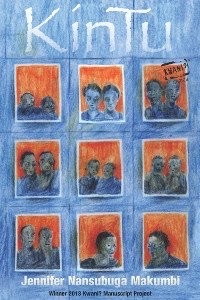
Cover of Kintu

Kintu

Jennifer Nansubuga Makumbi

4 ideas

  1. Kintu Kidda and the death of Kalema

    In 1750 Kintu Kidda, a provincial governor (ppookino) of Buddu in Buganda, leads a party to pay homage to a new Kabaka. On the journey he slaps his adopted son Kalema, the child of a Tutsi man named Ntwire, for drinking from his personal gourd, and the boy dies. Kintu secretly buries the body and conceals the death rather than tell the boy's father, and Ntwire's curse then falls on Kintu's line for generations.

  2. Curse and pathology as rival explanations

    The same run of family misfortune can be read as a supernatural curse, as hereditary illness such as mental illness, or as the ordinary damage of trauma passed down. The novel keeps all these readings open and never settles which is true. Even the Western-educated rationalist descendant Miisi is haunted, which shows that explanatory frameworks sit side by side rather than one replacing the other.

  3. Concealment, not the original wrong, propagates harm

    The initial harm is an unintended killing, but the lasting damage comes from hiding it. Because Kintu covers up the death, no atonement or repair can happen, and the wrong becomes an inheritance. Descendants carry fragments of family history they do not understand, and their own silences about paternity, illness and origins repeat the pattern. Lifting the harm requires the lineage to gather and openly reckon with what was hidden.

  4. Starting national history before colonialism

    Colonialism becomes one episode inside a longer local story instead of the event that begins history. This shifts what counts as the root cause of present troubles.

Save and mark ideas in the app