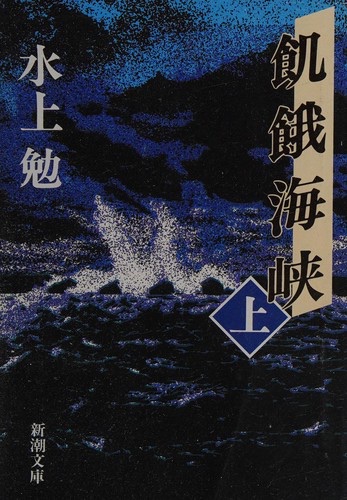
Cover of Kiga kaikyō

Kiga kaikyō

Mizukami Tsutomu

4 ideas

  1. Ferry fugitive becomes philanthropist, then killer

    In 1947 a ferry sinks in a typhoon in the Tsugaru Strait, and a man carrying money from a pawnshop robbery-murder escapes across the strait. He spends one night with a poor prostitute in Shimokita and leaves her a generous sum. Ten years later she sees his photograph in a newspaper as a wealthy donor in Maizuru, visits him out of gratitude, and he kills her, which reopens the case for a detective who never let it go.

  2. Postwar prosperity rests on buried original crimes

    The fortunes of Japan's economic boom were often seeded by illicit capital from the chaotic, hungry years right after the war. Later respectability does not cancel that origin. It depends on the origin staying hidden, so success made from crime is permanently exposed to anyone who remembers where it began.

  3. Public generosity as the self-exposing act

    The fugitive's philanthropy is both penance and camouflage. Yet the visibility that giving requires, a donor's photograph in the press, is exactly what lets his past find him. When someone launders a hidden history into a public reputation, the same publicity that builds the reputation also creates the channel for discovery.

  4. Poverty-forged bond turned fatal by class ascent

    Two people from the same deprivation form a bond in one night: for the woman, the gift of money is a lifelong debt of gratitude. After the man rises, that bond stops being shared kinship and becomes a threat to him. Her loyalty, not any wish to blackmail him, is what makes her dangerous, and hunger's solidarity turns into a motive for murder.

Save and mark ideas in the app