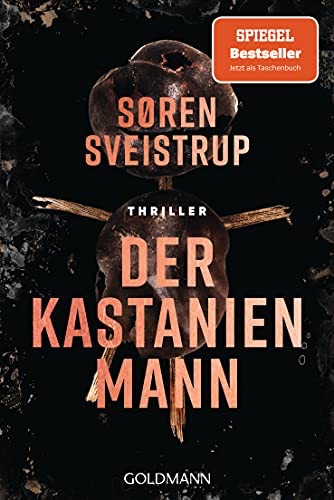
Cover of Kastanjemanden

Kastanjemanden

Søren Sveistrup

4 ideas

  1. Minister's daughter's fingerprints on chestnut figures

    In Copenhagen, mothers are murdered and dismembered, and a small figure made of chestnuts is left at each scene. The figures carry the fingerprint of Kristine Hartung, daughter of government minister Rosa Hartung, who was presumed murdered a year earlier. That case had been closed on the confession of a mentally unstable young man, Linus Bekker, even though her body was never found. Detectives Naia Thulin and Mark Hess are forced to reopen a solved case while new victims accumulate.

  2. A confession can end inquiry prematurely

    Once a suspect confesses, the institution treats the case as closed. Contradictory evidence then gets read as noise rather than as a reason to reopen, which protects the investigators' credibility and the minister's grief narrative. A confession from a vulnerable, suggestible person is especially dangerous because it supplies closure without supplying facts such as a body.

  3. Violence as punishment for bureaucratic inaction

    Read the murders as a verdict on the welfare system, not as random predation. The victims were mothers against whom neglect had been reported, and the authorities did not intervene effectively. The killer takes over a role the state was supposed to perform and exposes the gap between reports being filed and children actually being protected.

  4. The planted clue as authored message

    Evidence left deliberately at a crime scene is communication from the offender, not an accidental trace. Kristine's fingerprint on the chestnut figures is designed to force investigators to reopen a specific closed case and to wound a specific public figure. Investigators must ask why the offender wants them to see a clue, not only what the clue proves.

Save and mark ideas in the app