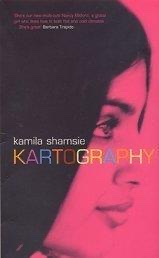
Cover of Kartography

Kartography

Kamila Shamsie

4 ideas

  1. The 1971 fiancé swap in Karachi

    Raheen's father Zafar was engaged to Maheen, a Bengali woman, and Karim's father Ali was engaged to Yasmin. During the 1971 war that split East Pakistan from the West, a remark by Zafar that treated Bengalis as disposable wounded Maheen and ended the engagement, so the couples swapped partners.

  2. Maps as ethnic sorting versus lived knowledge

    A map fixes a city into zones, and in an ethnically divided city those zones become who belongs where and who is dangerous where. Karim, who leaves Karachi, becomes obsessed with mapping it from outside.

  3. Unspoken national wounds get inherited as private ones

    When a society refuses to talk about its own atrocities, as with Pakistan's silence about 1971, the violence does not disappear. It moves into families as secrets that shape marriages, friendships and loyalties. The next generation then meets the same fault lines in new ethnic conflicts without the history needed to recognize them.

  4. The unforgivable remark that defines character

    In moments of communal crisis, one offhand sentence can show where a person's loyalties truly lie, and it can permanently rearrange their relationships. The words may be spoken carelessly and later regretted.

Save and mark ideas in the app