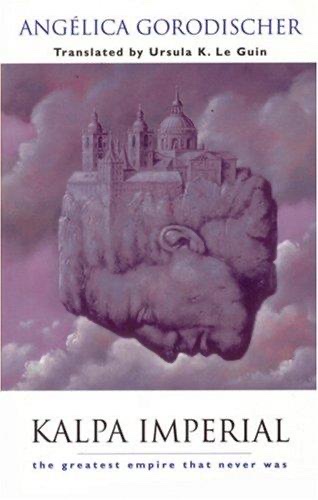
Cover of Kalpa Imperial

Kalpa Imperial

4 ideas

Buy on Amazon
  1. Power narrated outlives power enacted

    The storyteller holds that empires persist in memory not through their administrative machinery but through the tales told about their rulers, so the person who shapes the narrative outlasts the person who held the throne. History is thus a function of who is permitted to speak and remember, making the chronicler more durable than the emperor.

  2. Rise and fall as cyclical weather

    Dynasties, cities and empires are treated as recurring phases rather than unique events: each golden age already contains its decay, and each collapse seeds a later restoration. Greatness and ruin are presented as a rhythm the empire moves through repeatedly, not a ladder it climbs once.

  3. The beggar who becomes emperor

    A destitute, unremarkable person rises from the streets to found or seize a dynasty, then rules through instincts learned in poverty rather than inherited command. The tale is told to show that legitimacy is improvised and retrospectively justified, since the crown confers greatness onto the man as much as the man earns the crown.

  4. Empire seen through the overlooked

    The history of the empire is reconstructed from the vantage of servants, prisoners, exiles, merchants and clerks rather than from the throne room. Viewing grand events through peripheral lives reveals that the machinery of power is actually run and remembered by the people history usually omits.

Save ideas and give them a thumbs up or down in the app