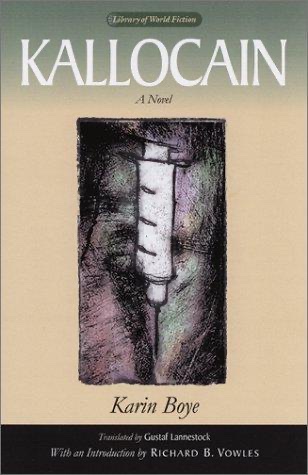
Cover of Kallocain

Kallocain

Karin Boye

4 ideas

  1. Chemist drugs his wife to confirm jealousy

    Leo Kall, a state chemist, invents Kallocain, a serum that makes subjects involuntarily reveal their hidden thoughts, and suspects his wife Linda of an affair with his superior Rissen. He secretly doses her. She reveals no affair, but admits she had contemplated killing him and that she felt as isolated and fearful inside the marriage as he did.

  2. Trust is the regime's real enemy

    A surveillance state stays secure only if every citizen treats every other citizen, spouses and children included, as a possible informer, so atomization is the goal and not a side effect. The subversives Kallocain exposes have no weapons or plot. They meet only to sit together and trust one another, and that alone is intolerable because unmonitored mutual trust makes people independent of the state.

  3. Punishing disposition once thoughts become readable

    When a technology makes inner attitudes observable, the law shifts from punishing acts to punishing dispositions, because the state can now prosecute people before they do anything. Kallocain's testimony about private feelings becomes grounds for conviction. The category of the innocent citizen disappears, since everyone harbors some disloyal thought.

  4. The watcher's zeal masks his own doubt

    Read the most fervent surveiller as someone defending against his own disowned feelings. Leo's drive to expose disloyalty in others grows in step with his suppressed envy, fear, and longing for real intimacy. Exposing others becomes a way to avoid examining himself, and the intensity of loyalty-policing often measures the policer's private insecurity more than any outside threat.

Save and mark ideas in the app